


What is a hybrid solar inverter specifically?
Solar power is transforming the way we produce and use electricity—and at the heart of this shift is the hybrid solar inverter. This innovative device allows homeowners to manage solar energy more efficiently by connecting solar panels, battery storage, and the power grid. It gives users greater control over how and when they use electricity.
So, what exactly is a hybrid solar inverter? Let’s take a closer look.
Basic Understanding of a Hybrid Solar Inverter
A hybrid solar inverter plays a crucial role in modern solar power systems. It combines the capabilities of both a traditional solar inverter and a battery inverter into one smart, integrated device. Its main job is to manage electricity from various sources—including solar panels, battery storage, and the utility grid.
This type of inverter converts the direct current (DC) generated by solar panels into alternating current (AC) for home use. At the same time, it oversees battery charging and discharging, ensuring energy is stored or used at the right time. It intelligently balances where the power comes from—whether it's solar, battery, or the grid—to optimize efficiency.
One of the biggest advantages of a hybrid inverter is improved energy independence. By storing excess solar energy, homeowners can rely on solar power even at night or during grid outages. Compared to using separate inverters and battery systems, hybrid inverters are more efficient, often more cost-effective, and simplify the overall system setup.
What Are the Functions of a Hybrid Solar Inverter?
A hybrid solar inverter performs multiple essential functions within a solar power system. By managing energy flow between solar panels, battery storage, and the utility grid, it plays a central role in converting, regulating, monitoring, and maximizing energy output.
1. Bidirectional Power Conversion
At its core, a hybrid inverter converts DC from solar panels into AC for household use, and also converts AC from the grid into DC for battery charging. This two-way conversion enables flexible energy management and allows the system to seamlessly switch between power sources depending on demand and availability.
Many advanced models support high-voltage DC inputs, which further reduce energy losses and enhance system efficiency.
2. Power Regulation
Hybrid inverters regulate voltage and frequency to ensure safe, stable electricity supply to appliances and grid connections. They synchronize with the grid when exporting excess energy and often include features like reactive power control to support local grid stability and potentially lower energy bills.
3. Real-Time Power Monitoring
These inverters track energy production, consumption, and battery storage in real time. Many models include built-in displays or mobile apps that let users monitor performance, view energy flow diagrams, and receive alerts for maintenance issues—helping ensure the system runs at peak efficiency.
4. Power Maximization
Hybrid inverters use Maximum Power Point Tracking (MPPT) technology to extract the most energy from solar panels. They prioritize solar energy usage over grid electricity and store excess energy during the day for use at night or during outages. Some models also allow for expansion and can use weather forecasts to optimize battery charging before cloudy days.
Types of Hybrid Solar Inverters
Hybrid inverters come in different configurations to suit a variety of energy needs. The two main types are AC-coupled and DC-coupled systems, each with distinct advantages.
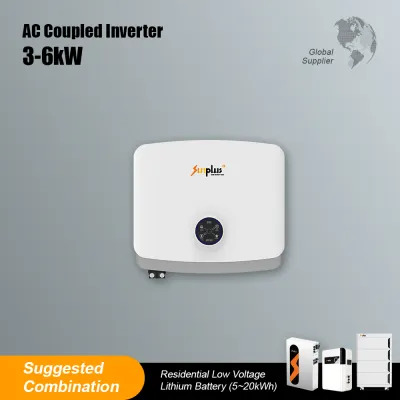
AC-Coupled Hybrid Inverters
AC-coupled inverters connect to the AC side of an existing solar system, making them ideal for retrofitting battery storage. They convert battery DC into AC for home use and grid AC into DC for charging batteries.
Best for: Homes with existing solar panels and stable grid access
Pros: Easy installation, good for upgrades, flexible setup
Cons: Less efficient due to extra conversion steps; higher cost for new systems
DC-Coupled Hybrid Inverters
DC-coupled inverters connect directly to both solar panels and batteries on the DC side, reducing power conversion steps and improving efficiency.
Best for: New solar-plus-storage installations or off-grid homes
Pros: Higher efficiency, fewer conversion losses, better for unstable grid conditions
Cons: More complex installation; less flexible for retrofits
Choosing Between AC and DC-Coupled Inverters
| Criteria | AC-Coupled | DC-Coupled |
|---|---|---|
| Best for | Adding batteries to existing solar | New solar and battery setups |
| Efficiency | Moderate | High |
| Installation complexity | Lower | Higher |
| Ideal grid condition | Stable grid | Unreliable or no grid |
| System flexibility | Higher | Lower for retrofits |
Comparison with Traditional Solar Inverters
Hybrid solar inverters differ from traditional inverters in several ways. Traditional inverters only convert DC power from solar panels to AC power for home use. Hybrid inverters can do this and more.
A major advantage of hybrid inverters is their ability to store excess energy in batteries. This allows homeowners to use solar power even when the sun isn’t shining. Traditional inverters can’t do this on their own.
Hybrid inverters also offer smart energy management. They can decide when to use solar power, battery power, or grid power. This helps maximize energy efficiency and savings.
Here’s a quick comparison:
| Feature | Hybrid Inverter | Traditional Inverter |
| DC to AC conversion | Yes | Yes |
| Battery storage | Yes | No |
| Smart energy management | Yes | No |
| Grid connection | Yes | Yes |
| Off-grid capability | Yes | No |
Considerations for Choosing a Hybrid Inverter
Selecting the right hybrid inverter depends on several critical factors:
1. Energy Needs and Usage Patterns
Analyze your electricity usage—how much you consume daily and when your peak demand occurs. Households with high evening usage might rely more on battery storage. Anticipate future growth such as additional appliances or electric vehicles, and choose an inverter that can support extra load.
2. Budget and Cost Implications
Hybrid inverters cost more upfront but can reduce long-term energy bills by minimizing grid dependence. Compare prices, warranties, and support services across brands. Check for local rebates or incentives that can lower the initial investment.
3. Compatibility with Existing Solar Systems
If you already have solar panels, ensure the inverter matches your system’s voltage, current, and panel layout. Not all inverters are compatible with every panel type. Consulting a solar professional can help verify a good match and avoid performance issues.
4. Future Scalability
Look for an inverter that supports future expansion—whether it’s adding more panels or increasing battery capacity. Some models include spare inputs and smart features like integration with energy management systems or smart home devices for long-term flexibility.
Final Thoughts
Hybrid solar inverters are a smart investment for anyone looking to maximize their solar energy use, gain more control over their electricity consumption, and prepare for grid instability or outages. Whether you're upgrading an existing system or starting from scratch, choosing the right type of hybrid inverter—and considering long-term needs—can make a significant difference in efficiency, savings, and energy independence.
Comments
0